VERONICA GIANNINI
I don’t see bedtime as a behavior problem.
I see it as a physiological transition.
I help parents understand nervous system state at bedtime so they can guide their children into sleep through regulation, sequence, and steadiness—rather than pressure or control.
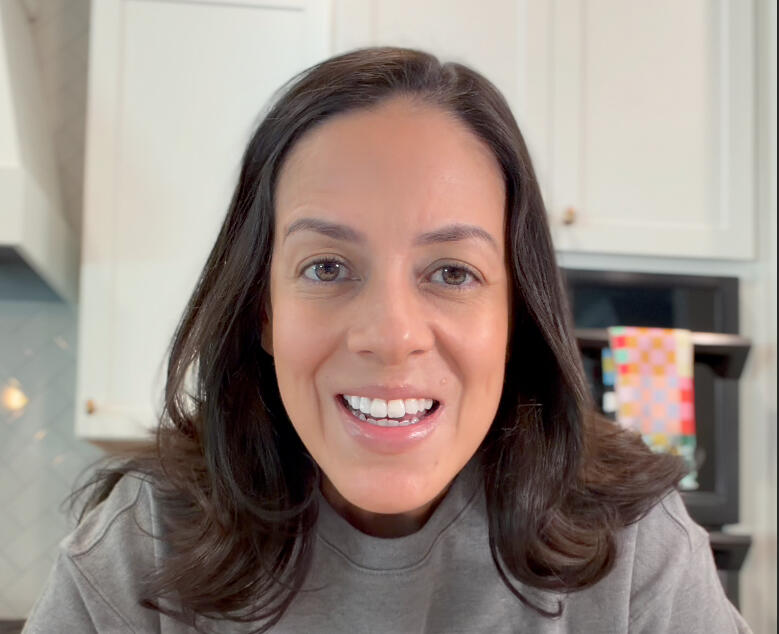
HOW I SEE BEDTIME
Sleep doesn’t happen because a child complies.
It happens when the nervous system is ready to let go.Over years of working with nervous system regulation—and through lived experience as a parent—I began noticing a consistent pattern: when bedtime becomes difficult, it’s rarely about refusal or defiance. It’s about a body that hasn’t completed its transition into rest.That observation shapes everything I teach.
A DIFFERENT WAY TO UNDERSTAND STRUGGLE
Bedtime is a transition, not a task. 😴
For young children, bedtime often coincides with emerging awareness, separation, and stillness—all at once.At an age when the nervous system is still learning how to move between states, being asked to “go to sleep” can feel confusing, vulnerable, or even threatening to the body.When bedtime is treated as a behavior problem, tension increases.
When it’s treated as a physiological transition, the body can soften into rest.
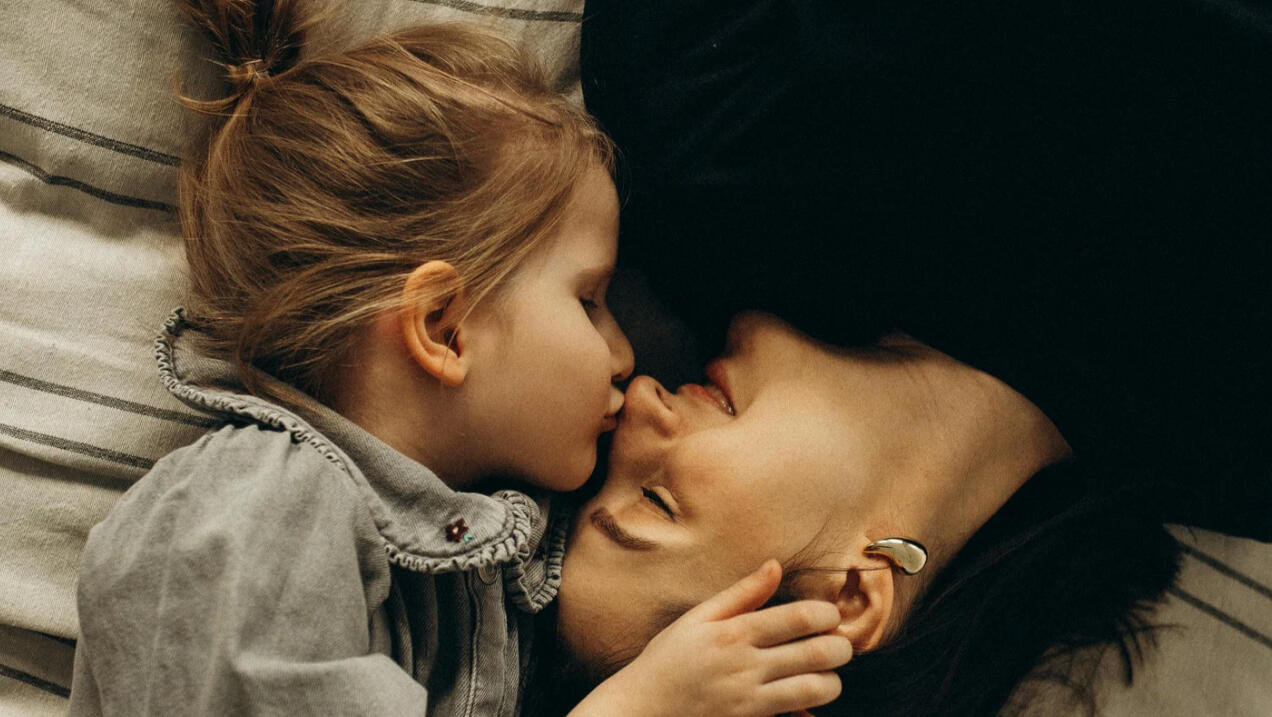
THE FRAMEWORK I TEACH
The Sleep Ready Method™
The Sleep Ready Method™ is a regulation-led, physiology-first framework created by Veronica Giannini that helps parents recognize a child’s nervous system state and guide them through the sequence of activation, shift, and rest at bedtime. Rather than managing behavior, the method focuses on observing state and supporting the transition into sleep through regulation and co-regulation.
HOW SLEEP ACTUALLY UNFOLDS
🔴 Activation → 🟡 Shift → 🟢 Rest
Children do not move directly from stimulation into sleep.
They move through a sequence:
Activation — alert, playful, emotional, wired, or energized
Shift — discharge, slowing, softening, reorganizing
Rest — safety established, sleep becomes possible
Much of bedtime struggle comes from trying to skip the middle.This work teaches parents how to recognize where their child is in the sequence—and how to respond in a way that helps the body move forward instead of resisting.
WHY BEDTIME FEELS DIFFERENT
Logic works in the day. Physiology runs the night.
At night, the brain shifts out of cognitive processing and into state-based regulation.
This is why:
Explaining escalates instead of calming
“Just relax” creates more tension
Rewards, consequences, and reasoning lose their effect
These strategies rely on thinking.
Sleep relies on nervous system safety.
IMPORTANT CLARIFICATION
Regulation is not a tone. It’s a state.
In this work, regulation does not mean staying calm on the outside or suppressing emotion.Regulation is a physiological condition of safety and steadiness in the body.When an adult can recognize state—rather than react to behavior—they can guide a child through bedtime with clarity instead of urgency.
IN PRACTICE
Guidance instead of control.
This work supports parents in:
Learning to read nervous system cues
Understanding why bedtime resistance appears suddenly
Responding with presence instead of pressure
Supporting transitions without over-talking
Reducing escalation caused by urgency or force
The goal is not perfect bedtime routines.The goal is a body that feels safe enough to sleep.
THIS MAY RESONATE IF
You sense it’s not defiance. 💛
This work is for parents who:
Feel bedtime become fragile or emotionally charged
Notice strategies that work during the day fail at night
Sense their child isn’t resisting—but struggling to let go
Want to understand what’s happening underneath behavior
For many families, this perspective brings immediate relief.
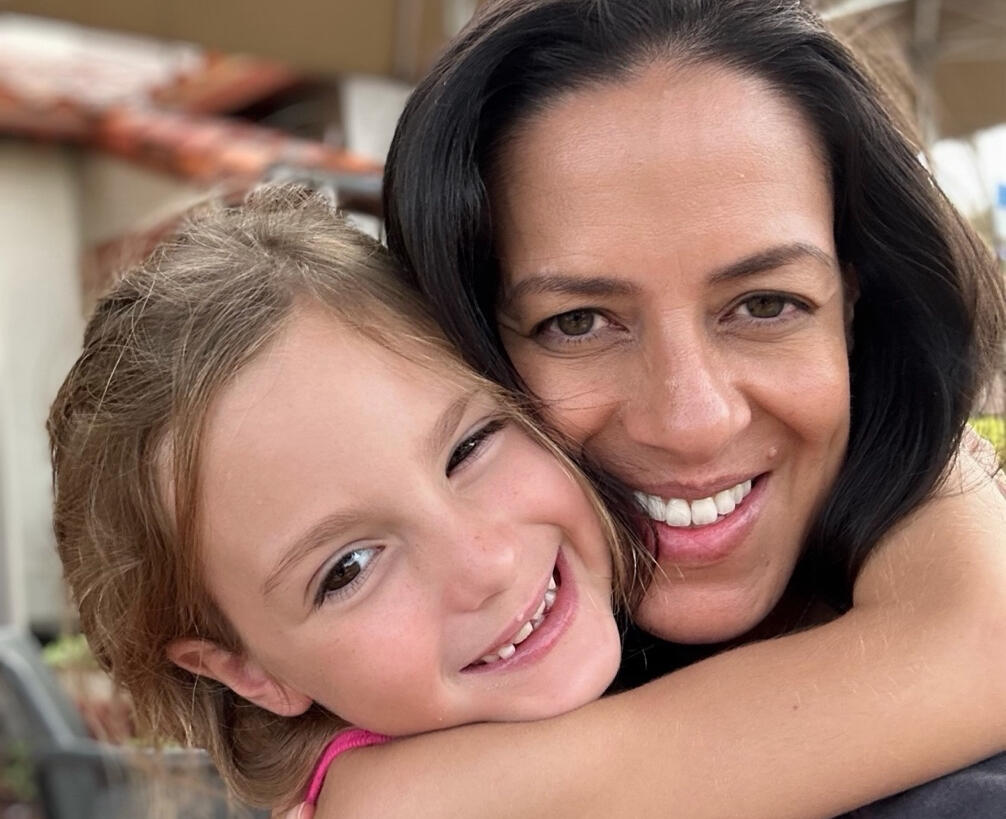
About Veronica
I’m a parent and the creator of the Sleep Ready Method™
My work grew from observing how often children were treated as resistant or difficult at bedtime, when what I was seeing instead was a nervous system that hadn’t completed its transition into rest.
Over time, I began translating nervous system physiology into practical, accessible guidance for parents—helping them understand what’s happening underneath bedtime struggles and how their own regulation shapes the outcome.
Today, my focus is supporting parents in becoming the calmest nervous system in the room—not through control or correction, but through presence, clarity, and physiological understanding.
Scope of this work
This work focuses on physiology and co-regulation, not diagnosis or treatment.
It is not therapy, sleep training, or behavior management.
It does not involve clinical intervention or medical care.
It is education and guidance rooted in nervous system literacy.
More coming soon.
For now, if you’re here, you’re likely already sensing that bedtime doesn’t need more effort.It needs a different understanding.
© Veronica Giannini. All rights reserved.